Turning Coffee Grounds Into Bio-Fuel in Just 90 Seconds
Coffee is one of the most consumed beverages in the world with many people drinking more than just one cup a day. It’s more than just a way to wake up, coffee contains many health benefits.
Brewing coffee leaves behind grounds and there are a myriad of things you can do with coffee grounds from fertilizing houseplants to cleaning clogged drains. But now, researchers at the Korea Institute of Geoscience and Mineral Resources (KIGAM), have found a new use for coffee grounds; making carbon rich biochar. The study was recently published in the Chemical Engineering Journal.
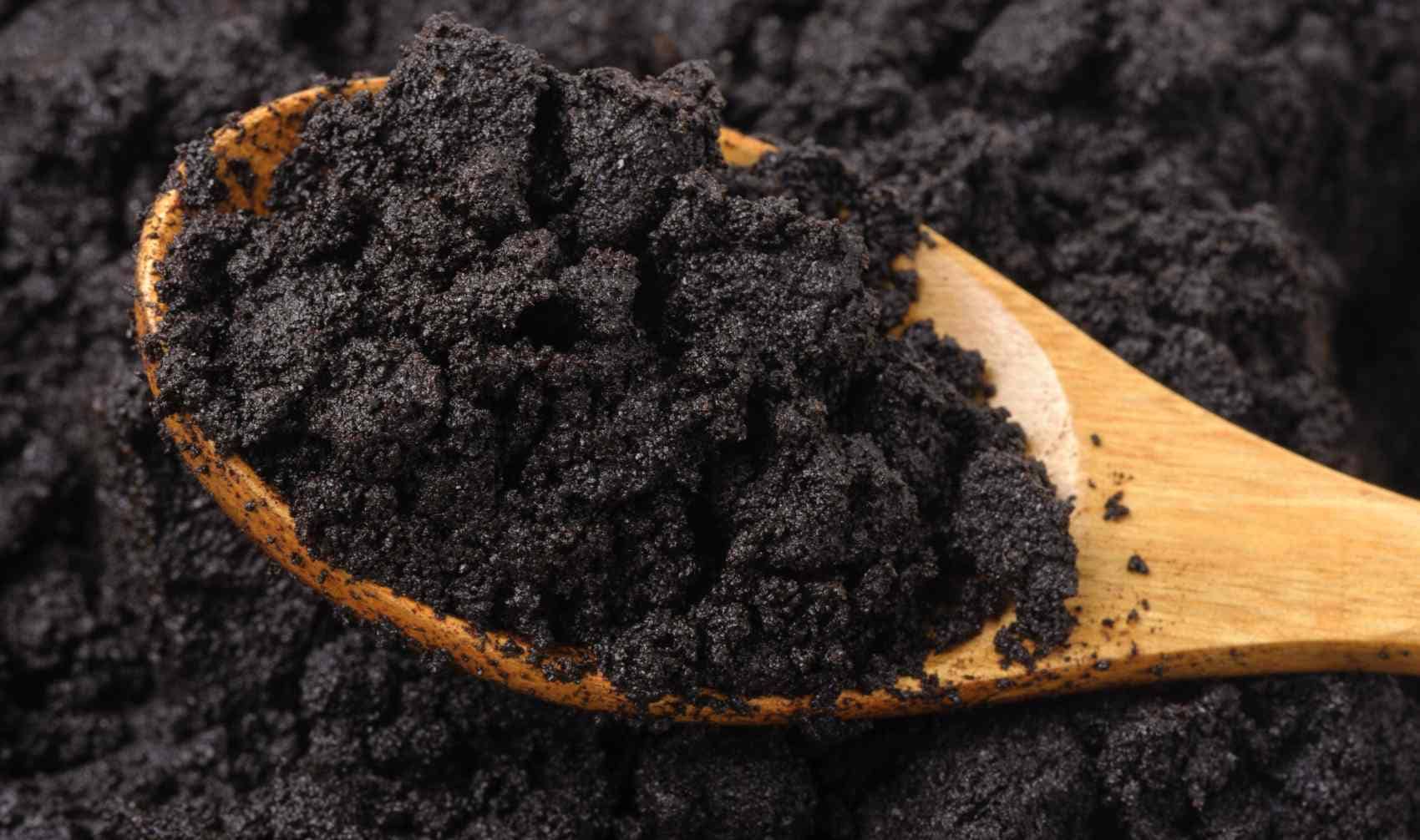
The researchers, according to Interesting Engineering, developed a new plasma-based process that converts wet coffee waste into biochar without having to dry it first. The process takes under two minutes. The resulting biochar has the energy content of anthracite coal.
How it Works
Most methods of turning coffee waste into fuel require drying the grounds – which contain 55 percent moisture – first, explained ZMEScience. This step requires a large amount of energy negating the savings of making biofuel.
The process that the researchers developed, called Flame Plasma Pyrolysis (FPP), uses a plasma flame at roughly 800-900 °C to turn the water in the coffee waste to steam. The moisture accelerates the process. The method produces little smoke or bio-oil, unlike previous procedures. The process also removed sulfur so that the biochar would not produce the highly polluting sulfur oxide emissions when used.
It is important to note that the researchers found that extending the process for more than 90 seconds reduced the fuel quality because excessive heat damages the carbon structure.
Fuel Performance
The treatment tripled the fixed carbon content, according to Interesting Engineering, and the biochar that is produced has a heating value of 29.0 MJ/kg which performs in a similar way to anthracite coal, without the pollution.
The biochar also has a highly porous structure that could make it useful for more than just fuel. Some of the potential uses include the production of activated carbon and use in filtration systems.
The researchers believe that this new technology can help reduce the costs of waste disposal while also expanding opportunities to turn waste into fuel. While the study focused on using coffee grounds, the research team believes it can be used on other high moisture waste products.
Lead author Dr. Taejun Park told Interesting Engineering that the technology offers a new way to view organic waste. Instead of treating it as a disposal problem, industries could use it as a source of energy and valuable carbon materials.
The next steps are to expand the process to use other organic waste and to optimize the process so it can be scaled up for commercial development.