Enjoy These 5 Benefits of Asparagus
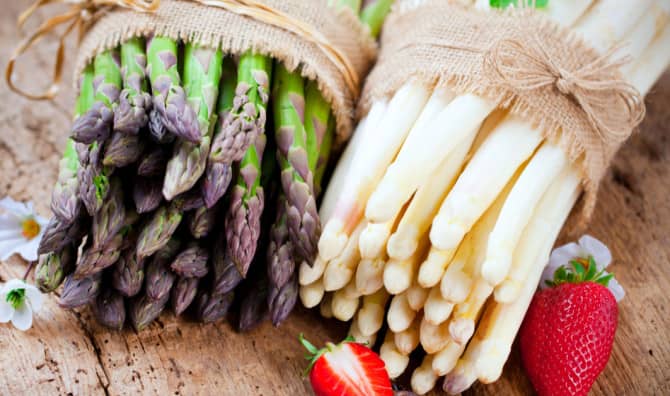
Asparagus, with its bright green stalk and delicate taste, is a prized vegetable. It is available in green, white, and purple varieties, and can be found in most supermarkets. Being so nutritious and healthy, asparagus should be a staple in every crisper drawer.
Asparagus is rich in vitamins A, C, K, E, plus folate and potassium, according to Healthline. It also has many micronutrients including zinc, iron, and riboflavin. You can grill, boil, cook, roast, steam, or sauté this healthy food. It can be added to omelets, pastas, stir fries, salads, or served alone as a side dish.
Asparagus is one of the first vegetables to come up in your garden and shoots up so suddenly, it can grow 10 inches in 24 hours, according to WebMD. So spring for it as soon as the frost clears!
Rich in Antioxidants
Antioxidants are important in protecting cells from damaging free radicals, which may cause oxidative stress and disease, according to Healthline. Asparagus is rich in the following antioxidants: vitamin C, vitamin A, vitamin E, glutathione, polyphenols, and flavonoids, including quercetin. As well as helping to reduce the risk of chronic disease, these antioxidants could have antiviral effects.
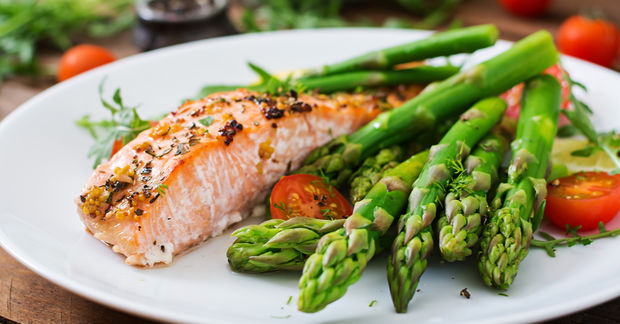
(Timolina / Shutterstock.com)
Good for Digestive Health
One cup of asparagus offers seven percent of your daily fiber needs and eating foods high in insoluble fiber may help support your bowels. The soluble fiber in asparagus feeds friendly bacteria in the gut.

(Juergen Faelchle / Shutterstock.com)
Could Support a Healthy Pregnancy
Asparagus is an excellent source of folate (vitamin B9), which is an important vitamin during pregnancy. In fact, half a cup of asparagus offers adults 34 percent of their daily needs for folate, while it gives pregnant women 22 percent of their daily folate.
Folic acid, according to WebMD, helps prevent tingling hands and feet, anemia, and may even help prevent birth defects.

(nerudol / Shutterstock.com)
May Assist Blood Pressure
The fiber in asparagus may help to regulate cholesterol. If your cholesterol is too high, it may lead to heart disease. In fact, the insoluble fiber in asparagus actually binds to the cholesterol in your digestive system, carrying it out before it gets absorbed.
In addition, the potassium found in asparagus also may also help to lower cholesterol as well as regulate your heartbeat.
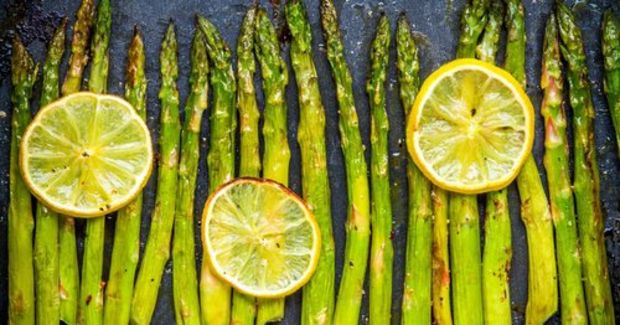
(Ekaterina Kondratova / Shutterstock.com)
May Help With Blood Clotting
Asparagus is especially rich in vitamin K, which helps blood clot properly. As people with vitamin K deficiencies may experience uncontrolled bleeding after being injured, it is important to eat enough vitamin K. However, people who are taking blood thinners should check with their doctor before deciding to eat foods rich in vitamin K.

(Africa Studio / Shutterstock.com)