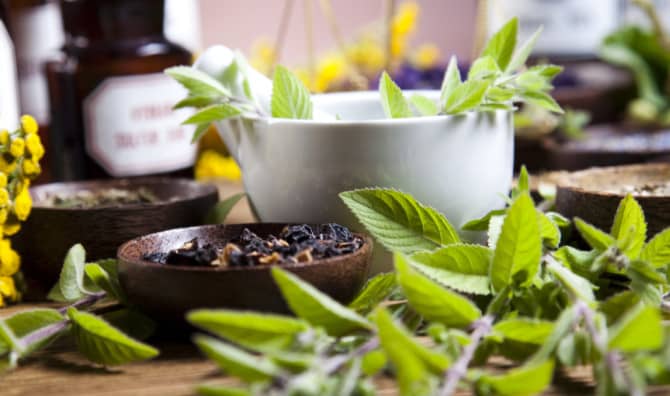
10 Medicinal Plants and Herbs You Should Know
Thousands of years ago, our ancestors turned to mother earth for healing. Nearly every culture has its own traditional herbal medicines, from the Greek and Romans to ayurvedic healing in India and Chinese traditional medicine. Many plants produce chemical compounds that have therapeutic effects. You may already have many of them in your kitchen.
With a little practice, you can learn how to harness the powerful healing energy of plants to feel strong and healthy. Let nature fill your medicine cabinet with Roots, leaves, blossoms, and seeds! Bring out your inner herbalist with these common medicinal herbs.
Allspice
Allspice is made from the dried unripe berries of a Caribbean tropical tree called Pimenta dioica, It has a scent similar to cinnamon or clove. Caribbean cultures have a long history of using allspice to heal menstrual cramps, colds, and upset stomachs, according to research from Current Drug Targets.
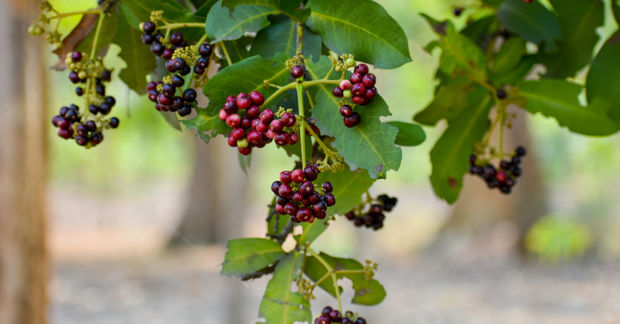
(Sudhakar Bisen / Shutterstock.com)
Bay leaf
The go-to soup herb, bay leaf also has surprising medicinal properties. Cultures of Europe and Asia have used the perennial shrub for thousands of years to heal wounds, reduce inflammation, and prevent disease, according to a study published in Medicinal Plants of South Asia.
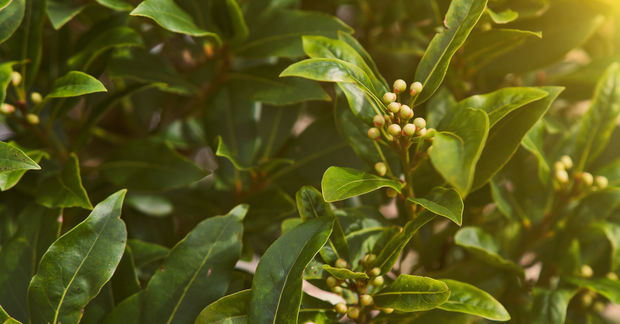
(mrnok / Shutterstock.com)
Calendula
Also known as “poor man’s saffron” or marigold, calendula has been cultivated since at least the third century BC in Europe. Doctors even used the plant as a poultice to stop bleeding and heal wounds during the American Civil War, Harvesting History points out. The Calendula flower, according to RxList, has all sorts of other health benefits including preventing muscle spasms, reducing fever, and treating a sore throat.
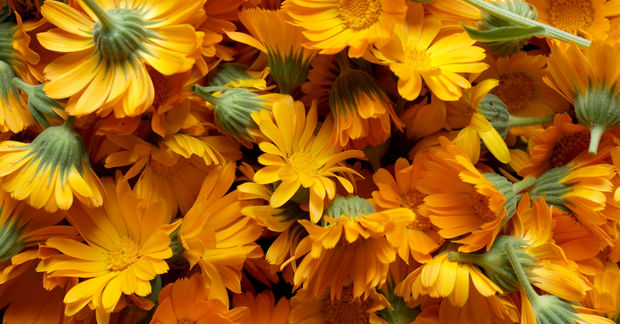
(N_Melanchenko / Shutterstock.com)
Damiana
This wild shrub is native to Texas, Central America, South America, and the Caribbean. Because of the fiery properties of damiana, cultures have used the dried leaves to boost mental and physical stamina according to RxList, as well as for an aphrodisiac.
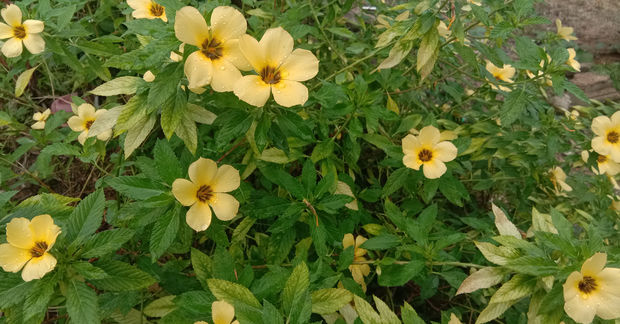
(lobsarts / Shutterstock.com)
Elderberries
When cold and flu season comes around, stock up your herbal apothecary with elderberry syrup. Hippocrates, the “Father of Medicine”, called the elder tree his medicine chest! Elderberries contain twice as much vitamin C as an orange, which is why people have used the plant as medicine as far back as 400 BC, according to WebMD.
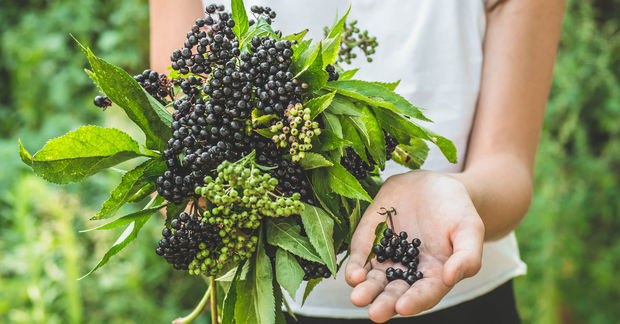
(Nastyaofly / Shutterstock.com)
Fennel
The ancient Greeks and Romans prized fennel for its diverse medicinal properties. It is a member of the carrot family, with a texture similar to celery and licorice-like flavor. Studies from Biomed Research International have found that fennel is an effective antiaging, antiallergic, anti-inflammatory, antimicrobial, antiviral treatment, and the list goes on!
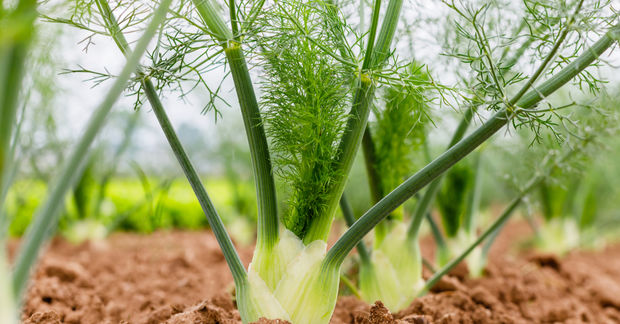
(nnattalli / Shutterstock.com)
Gotu Kola
Nicknamed the “herb of longevity”, gotu kola is a staple of Chinese and Ayurvedic medicine. The herb promotes liver health, heals skin conditions, and boosts brain power, according to Healthline.
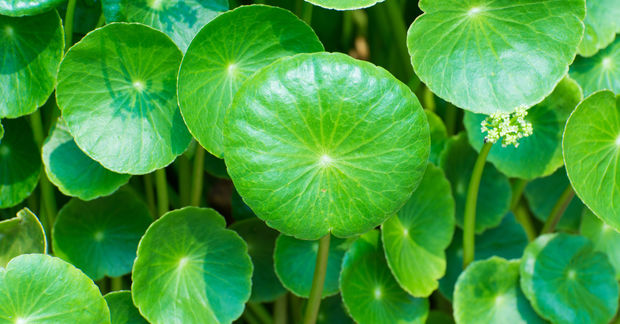
(krutar / Shutterstock.com)
Lavender
Used in many fragrances and soaps, this purple flower calms the nerves, making it an ideal treatment for insomnia, anxiety, and depression, according to a study from The Korean Society of Nursing Science.
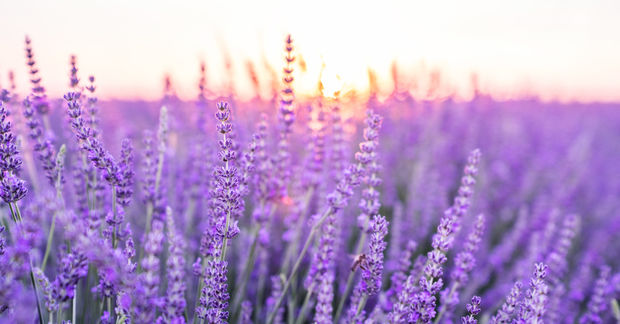
(ESstock / Shutterstock.com)
St. John’s Wort
This herb received its name from the biblical John the Baptist because it blooms around his birthday, and the word “wort” refers to healing plants. The flowering plant helps cure the blues, including mild depression, mood disorders, and insomnia, according to a study in the National Center for Complementary and Integrative Health.
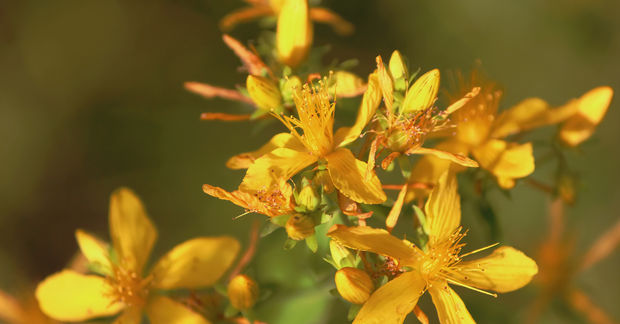
(sinichkina / Shutterstock.com)
Thyme
Thyme has been used since ancient days to flavor alcohol and cheese and it was even used by the ancient Egyptians for embalming. During the Black Death in Europe, many used it as protection against the plague according to Medical News Today . Thymol is an example of a naturally occurring biocide, a substance that can destroy harmful organisms, like infectious bacteria. Today, the far-reaching medicinal properties of thyme include preventing infections, helping to lower blood pressure, as well as calming some common skin conditions.
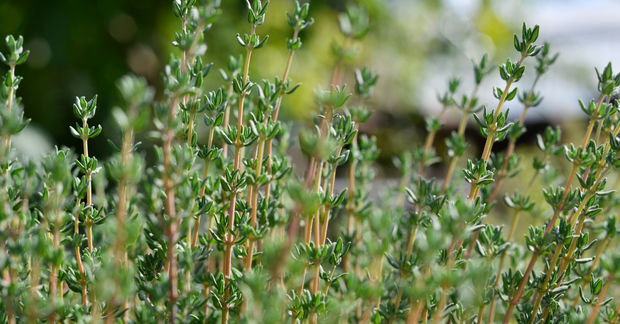
(Julitt / Shutterstock.com)