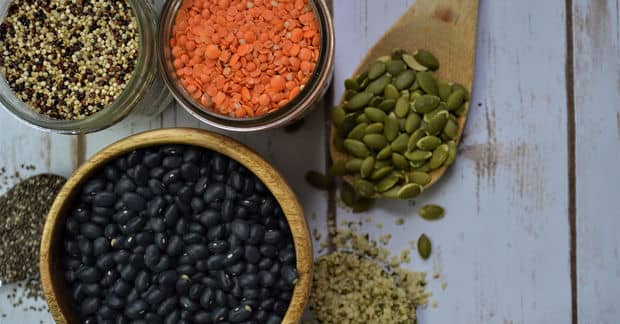
10 Healthy Sources of Plant-Based Protein You’ll Love
Plant-based diets have become one of the biggest food fads of the era, and justifiably so. Adopting a plant-based diet benefits the environment, improves health, reduces animal suffering, and can increase food security since 82% of malnourished children live in countries where food is fed to animals.
While the benefits of plant-based diets are plentiful, one doubt rises from the rest – ‘But, where do you get your protein from?!’ is one of the most typical questions vegans hear.
But here’s the real deal with protein:
• We don’t need a massive amount of protein; the Recommended Daily Allowance of protein is .8 grams per kilogram of bodyweight
• Plants provide ample protein through a ton of different foods!
Whether you’re going full-vegan, reducing your consumption of animal products, or just want to explore new and healthy protein options, check out our list of 10 plant-based protein sources.
1. Soy, Edamame, Tofu
Soy-based products are some of the most protein-rich foods in the modern diet and are complete sources of protein*. Half a cup of tofu contains about 10g of protein. Eat tofu raw on avocado toast, throw it into a stir-fry with ginger, soy sauce, and noodles, or blend it up into a dip! The options are endless – just make sure to season it up well since tofu doesn’t have much inherent flavor.
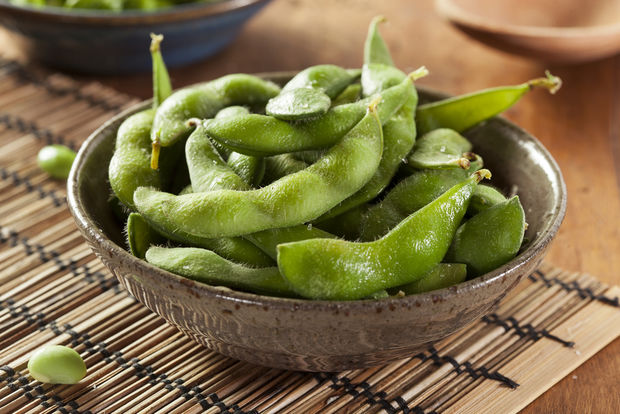
(Brent Hofacker / Shutterstock.com)
2. Lentils
This inexpensive legume has been a popular food throughout the world for centuries. Boasting 18 grams of protein and 50 percent of your daily fiber intake from one cooked cup, this legume can be prepared in a myriad of ways. Since they’re not a complete protein, lentils are often paired with rice or other grains. For ultimate health benefits, sprout lentils and eat them raw!
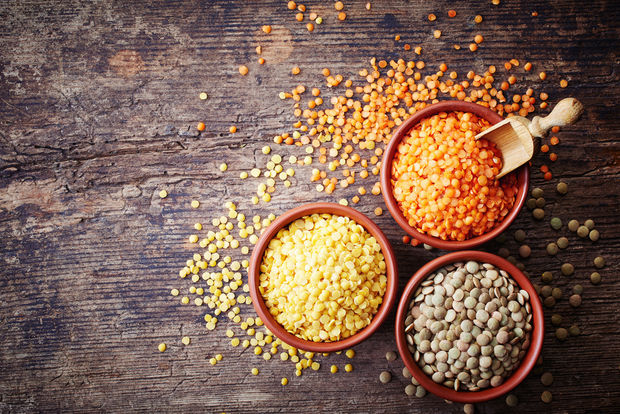
(baibaz / Shutterstock.com)
3. Peanuts
Peanuts are fabulous, not only because of peanut butter, which – let’s be real, is a godsend – but also because they are loaded with 20.5 grams of protein per half a cup! Peanuts are an incredible snack- pair with dried fruit for example, or thrown on top of a salad; and peanut butter can be used in tangy Asian-inspired salads and stir-fries.
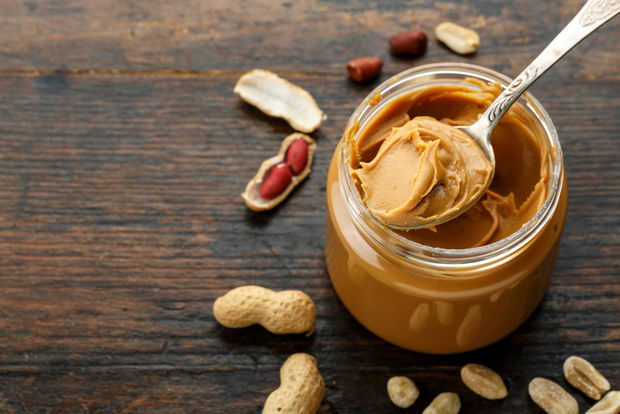
(Shyripa Alexandr / Shutterstock.com)
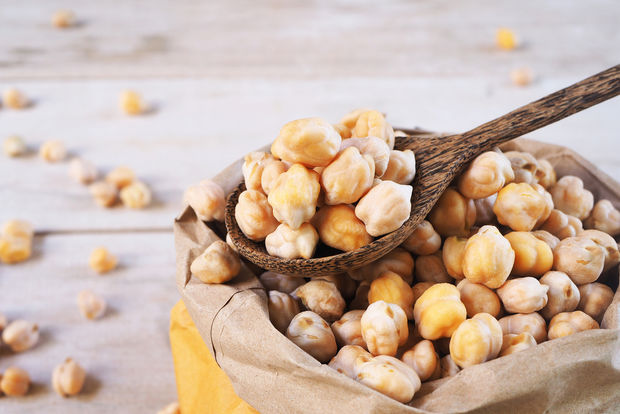
4. Chickpeas and Beans
Alright, this may be an obvious one – but chickpeas, kidney beans, black beans, and a whole bunch of other beans are incredibly high in protein and incredibly affordable. Chickpeas and beans both contain 15 grams of protein per cooked cup, and are also rich in fiber, iron, potassium, manganese, and other essential vitamins and minerals that are often lacking in the conventional American diet. Plus, these incredible foods give us both hummus and chili.. must we say more?
(Page Seven / Shutterstock.com)
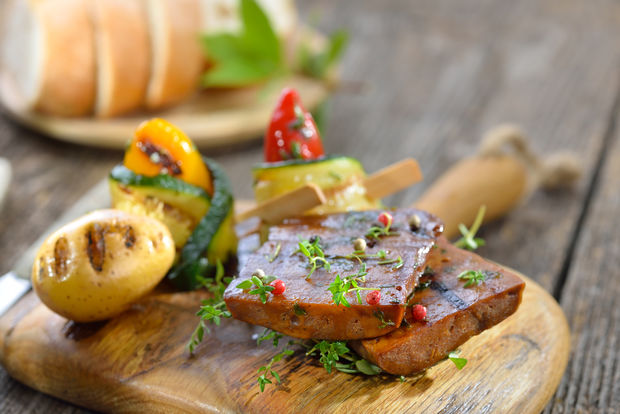
5. Seitan
Seitan is a wheat-based food that is packed with protein (25 grams per 3.5 ounces to be exact) yup – we meant packed. Its meaty texture makes it especially popular among vegetarians and vegans. Seitan is also rich in selenium- an important mineral. Seitan is best grilled or sautéed and works wonderfully as mock meat. Plus, when cooked with soy sauce, seitan becomes a complete-protein source.
(Karl Allgaeuer / Shutterstock.com)
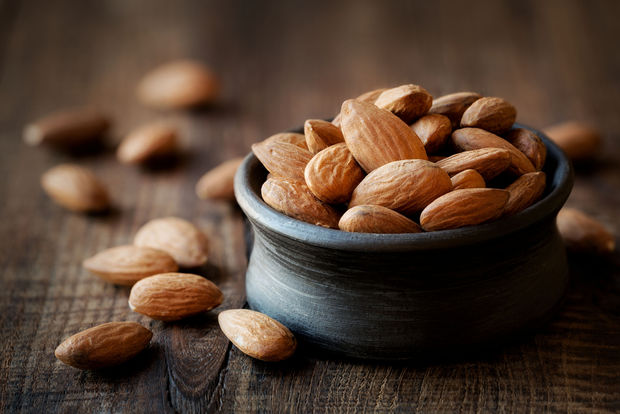
6. Almonds
Crunchy and delicious, almonds are wonderful sources of protein. Half a cup contains 16.5 grams! Throw some in your morning shake, or eat with some dates as an afternoon pick-me-up. Slivered almonds make an excellent addition to a quinoa and cranberry salad, and almond butter is an apple’s best friend.
(Kuvona / Shutterstock.com)
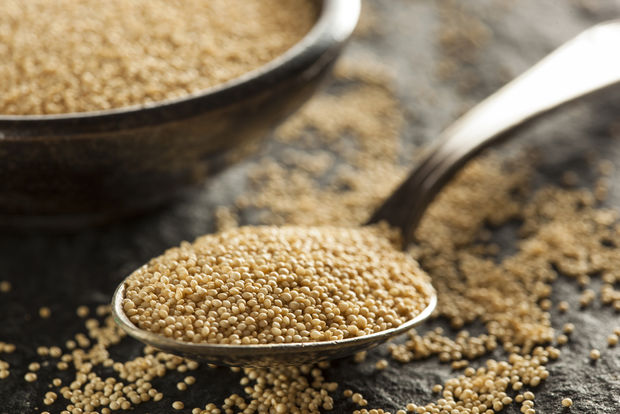
7. Amaranth and Quinoa
Known as “ancient grains” amaranth and quinoa are complete protein sources that can be eaten in a variety of ways. They contain between 8-9 grams of protein per cooked cup. Serve as porridge for breakfast, salad for lunch, and as a rice-substitute for dinner. Amaranth and quinoa are also great sources of complex carbs, iron, fiber, manganese, magnesium, and phosphorous.
(Brent Hofacker / Shutterstock.com)
8. Chia Seeds and Hempseed
Chia seeds and hempseed are wonderful ways to add protein to your diet because they can be thrown into almost any dish without affecting the flavor. Both complete proteins, chia seeds contain six grams of protein per 1.25 ounces, and hempseed contains ten grams per ounce. Both these seeds are also dense in essential minerals such as iron, zinc, selenium- among many others! Let’s just say these two seeds definitely earned their place on this list!
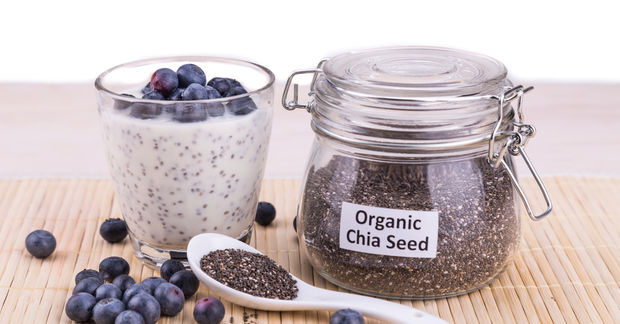
(ThamKC / Shutterstock.com)
9. Oats and Oatmeal
Yes, this painfully simple, delicious, and inexpensive breakfast option is also protein-rich! Half a cup of dried oats contains 6 grams of protein and a significant amount of iron, zinc, folate, and magnesium. Sprinkle some spirulina and almonds on top and you’ve got a complete protein delight that will keep you energized throughout the day.
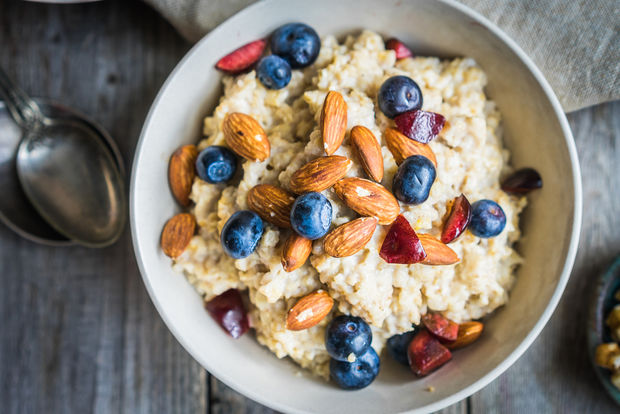
(Alena Haurylik / Shutterstock.com)
10. Spelt and Teff
Spelt and teff, like quinoa and amaranth, are ancient grains that are loaded with vitamins and minerals. Spelt and teff contain 10-11 grams of protein per cooked cup. What is amazing about spelt is that it can be used instead of white flour in almost any recipe without changing any measurements! Heavenly? We’d say so. Teff is popular in Ethiopia, so we recommend trying their traditional injera, a fluffy teff pancake eaten with lentils and other traditional dips.
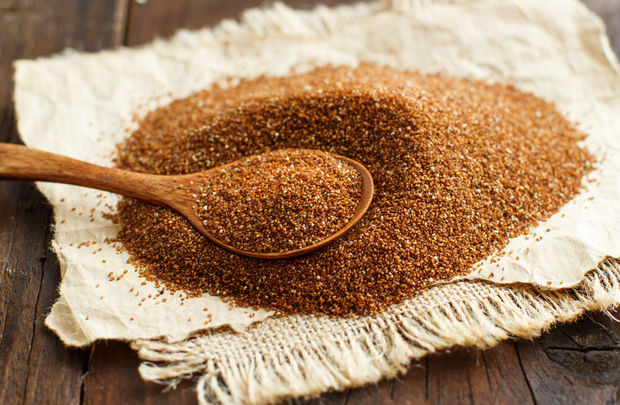
(Karissaa / Shutterstock.com)
These are just some of the plant-based foods containing healthy and accessible protein. Because these foods are also loaded with other essential nutrients, they are great options to incorporate into your diet to get you through your jam-packed day. Last month, the Economist named 2019 the “year of the vegan.” So what are you waiting for? Try adopting plant-based proteins for just one meal out of the day, or just one day out of the week- the planet and your body just might thank you for it!
* Some plant-based proteins are “complete proteins” meaning they are full of all the necessary amino acids to absorb and store the protein effectively, and others are “incomplete proteins” meaning they will need other nutritious foods to properly convert into usable protein. Have no fear- many health experts explain that a typical western diet is varied enough that incomplete proteins will naturally find their complementary counterparts throughout the day.